SAP Certified - SAP SuccessFactors Employee Central Core and Position Management exam can be easier with SAP’s official learning path and helpful preparation materials. By visiting The Exam Questions you can check key concepts and strengthen your knowledge of the existing assessment method.

Official SAP Certified - SAP SuccessFactors Employee Central Core and Position Management Exam Details
|
Exam Detail |
Information |
|
Official exam name |
SAP Certified - SAP SuccessFactors Employee Central Core and Position Management |
|
Official exam code |
C_THR81_2605 |
|
Exam Type |
System-Based Assessment |
|
Assessment Activity |
1 |
|
Passing Score |
59% |
|
Language |
English |
|
Time Duration |
180 Min. |
|
Certification Validity |
12 months, extendable by another 12 months after passing the required assessment |
|
Desired role |
Consultant |
|
Learning journey |
Configuring SAP SuccessFactors Employee Central Core and Position Management |
|
Learning journey level |
Intermediate |
|
Learning journey Size |
3 courses, 3 practical exercises |
- Note: Before booking, check the SAP Certified - SAP SuccessFactors Employee Central Core and Position Management page, as SAP may update exam versions, assessment details, and availability.
What is the SAP Certified - SAP SuccessFactors Employee Central Core and Position Management Certification?
SAP Certified - SAP SuccessFactors Employee Central Core and Position Management is a certification for professionals working with the core configuration of SAP SuccessFactors Employee Central and Position Management.
The certification covers two closely connected areas. Employee Central Core deals with employee and organizational data, permissions, foundation objects, transactions, workflows, and business rules. Position Management adds the configuration and management of positions, position structures, employee lifecycle processes, and related business rules.
The connection between these areas matters. In Employee Central, an employee's Job Information can contain the position assigned to that employee. Position information may also include organisational information, such as department, location, job classification, and other related information.
- Quick Win: Think about how Employee Central Core and Position Management work together, not as two separate subjects to learn. The C_THR81_2605 FAQ can be used alongside the official SAP certification information.
New C_THR81_2605 Exam Format
C_THR81_2605 follows the new format with one activity and a System Based Assessment. The official exam name is SAP Certified - SAP SuccessFactors Employee Central Core and Position Management, and the current certification page lists English as the available exam language and a passing score of 59%.
A system based assessment changes the preparation approach. Reading definitions is useful, but it cannot be the whole preparation strategy. You need to understand the configuration steps, permissions, dependencies, and what to expect from the system.
The SAP Certification Data says the exam page shows the type of assessment, how much time you have, and how many attempts you have left.
If you know the concept but spend too long finding the right configuration area, the knowledge may not help you enough.
- Tip: Become familiar with the System Based Assessment environment before you take the exam so you don’t waste time figuring out the interface.
C_THR81_2605 Exam Key Topics to Study
These key topics help you to identify the areas that need more attention in your preparation. For detailed information and guidance, you can also use the C_THR81_2605 Study Material alongside them.
1. SAP SuccessFactors Platform Foundations
THR80 is the foundation for the later Employee Central courses. Review SAP SuccessFactors configuration, Role Based Permissions, Metadata Framework, picklists, People Profile, business rules, workflows and related administration functions.
SAP's THR81 training system documentation specifically recommends reviewing these platform concepts before continuing with Employee Central Core.
Do not skip this section simply because it looks basic. Permissions and platform configuration appear repeatedly in later tasks.
2. Employee Central Core Configuration
Employee Central Core is one of the main preparation areas. The official course contains units covering initial elements, permissions, foundation objects, employee data, transactions, business rules, optional configurations and consultant skills.
Spend extra time understanding how these areas connect. For example, know why a foundation object is used, where it is configured, how access is controlled, and how employee information is affected.
3. Position Management Configuration
Position Management is equally important. The official academy covers getting started, configuration, employee lifecycle management, business rules, integration with other SuccessFactors solutions, and Company Structure Overview.
Understand how positions are created, maintained, staffed and linked to employees. Also understand Position Org Chart and the position hierarchy.
SAP explains that the Position object can store organizational information and that positions can be linked to create a Position Organization Chart. This structure differs from the traditional reporting hierarchy.
4. Permissions, Workflows, and Business Rules
The trigger and the approval for workflows are important to know. For permissions, understand what the administrator needs access to before a configuration can be completed. When you start studying workflows, it is important to knowing the trigger, and the required approval is essential. When it comes to business rules, pay attention to when the rule runs and what it changes.
A useful revision question is simple: What triggers it, where is it configured, and what happens afterward?
Official Learning Journey for the C_THR81_2605 Exam
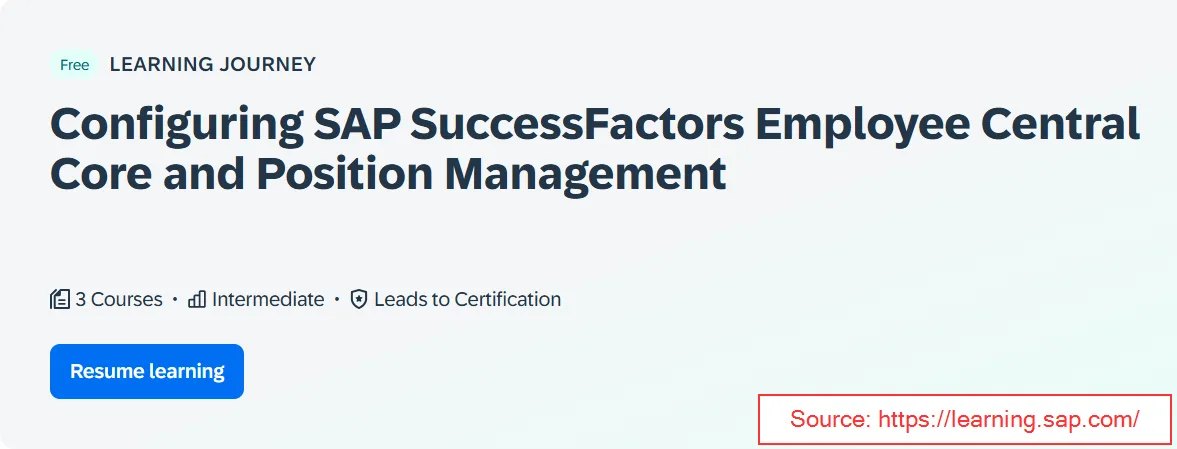
The Configuring SAP SuccessFactors Employee Central Core and Position Management learning journey is rated intermediate and takes approximately 50 hours to complete.
|
Code |
Course |
Units |
Level |
Time |
What is it in? |
|
THR80 |
9 |
Beginner |
8 hr 43 min |
SAP SuccessFactors basics, Provisioning, Admin Center, permissions and system features, administrator tasks, user experience, People Profile, MDF, business rules, and consultant skills. |
|
|
THR81 |
9 |
Intermediate |
9 hr 36 min |
Employee Central basics, initial configuration, permissions, foundation objects, employee data, transactions, business rules, optional configurations, and consultant skills. |
|
|
THR79 |
SAP SuccessFactors Employee Central Position Management Academy |
7 |
Intermediate |
9 hr 6 min |
Position Management basics, configuration, employee lifecycle, business rules, integration, Company Structure Overview, and consultant skills. |
The learning journey includes hands-on practice for each course. You will develop better configuration skills after finishing all three courses, including their material and hands-on activities.
- The Hands-on Practice for Introduction to SAP SuccessFactors Academy is part of THR80.
- The Hands-on Practice for SAP SuccessFactors Employee Central Core Academy is covered in THR81.
- The Hands-on Practice for SAP SuccessFactors Employee Central Position Management Academy is covered in THR79.
- Quick Win: To reinforce the configuration steps finish the hands-on practice immediately after each related course.
- Warning: Do not skip THR80. Its platform concepts support the configuration topics covered in THR81 and THR79.
Who Should Take C_THR81_2605?
The C_THR81_2605 certification is best for SAP SuccessFactors consultants and future implementation consultants. It is also beneficial for the professionals who want to take on employee central configuration responsibilities.
It is especially relevant for SAP partner consultants implementing the solution. SAP positions this certification as an entry-level qualification for consultants who need fundamental knowledge and project application skills under experienced guidance.
Professionals coming from HR technology, SAP support, or related SuccessFactors areas can also use it to build structured knowledge.
If you have no practical experience, the certification is still possible, but you should spend more time with the learning system. Reading alone is not a substitute for configuration practice.
- Pro Tip: If you are new to Employee Central, spend extra time on hands-on configuration before booking the exam.
- Warning: Do not assume that completing the courses alone means you are exam-ready. Practical understanding is important for this certification.
Career Benefits of C_THR81_2605 Certification
- Builds stronger SAP SuccessFactors credibility. The certification assures the employers that you are well versed on the basics of Employee Central Core and Position Management.
- Supports movement toward consulting roles. The learning journey is configuration focused, so preparation can help you understand the work involved in implementation projects.
- Develops broader Employee Central knowledge. You are not studying Employee Central Core in isolation. Position Management is part of the same certification scope.
- Strengthens practical configuration understanding. Working through permissions, employee data, foundation objects, transactions, workflows, and business rules gives you a more useful foundation than memorizing terminology.
- Creates a path for continuous learning. SAP currently uses a 12 month certification validity model with options to extend eligible certifications through assessment-based maintenance.
- Quick Win: Use the certification preparation to identify configuration areas where your practical knowledge needs improvement.
How to Register for C_THR81_2605
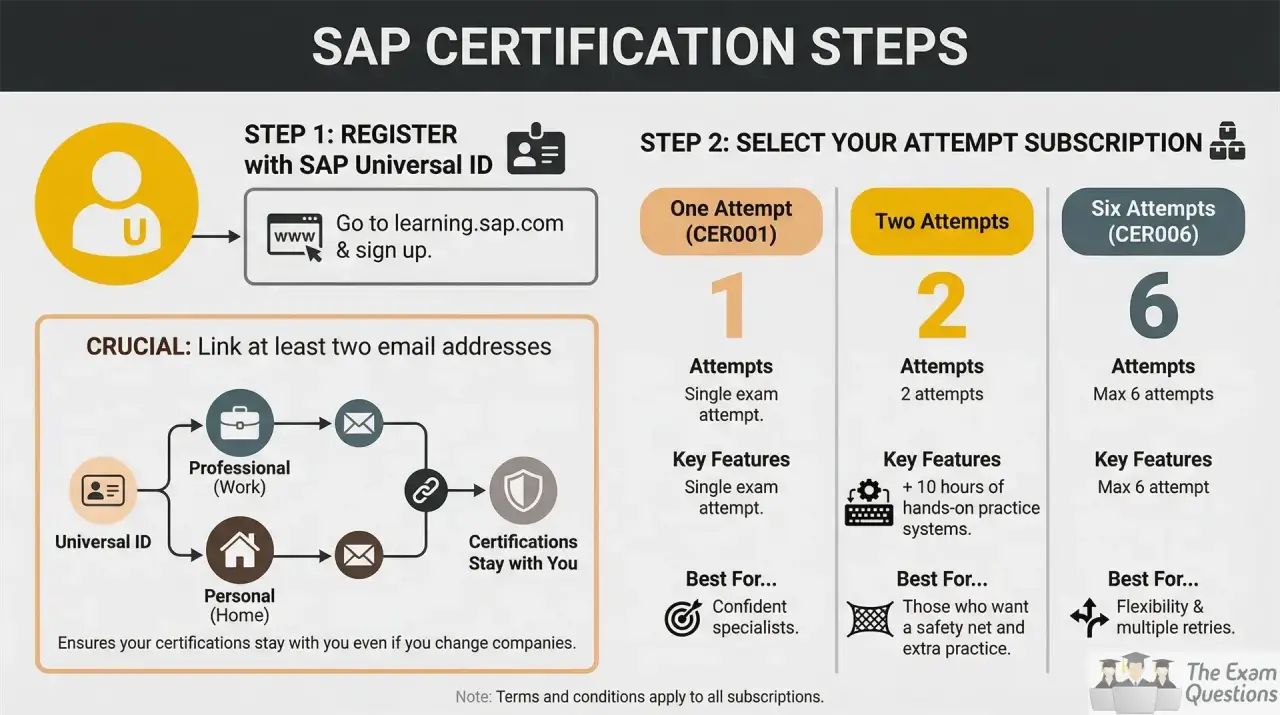
- Sign in to SAP Learning with your SAP Universal ID.
- Visit the official SAP certification page.
- Please check the latest exam code, format, language and attempts available.
- Also check your eligibility and subscription status before purchasing an exam attempt.
- Go to the certification exam section and review the current assessment information.
- Use the booking options in your SAP Learning account to schedule your assessment.
- Before you begin, please check your equipment, internet connection, browser, and assessment instructions.
- Warning: Don’t book just because you have completed all lessons. First, make sure you can work through practical configuration scenarios without needing someone to show you every step.
Six Week C_THR81_2605 Study Plan
The 6-week study plan below can help you study systematically.
Week 1: THR80 Foundation
Start the 1st week by getting familiar with the platform. Now focus on Role Based Permissions, Metadata Framework, People Profile, picklists, workflows and business rules.
Week 2: Employee Central Core Fundamentals
Start the THR81 course. Take the THR81 course. Complete the fundamentals, permissions and foundation objects. Create a small revision sheet showing how the key configuration components are linked together.
Week 3: Employee Data and Transactions
Continue with employee data and transactions. Practice the configuration steps associated with them; don’t just read through them. All tasks that require administrator access should have their permissions reviewed.
Week 4: Business Rules and Position Management
Finish major THR81 business rule topics and begin THR79. Next review Position Management configuration, Position Org Chart, position objects, and associated employee Lifecycle processes.
Week 5: Practical Integration
Mix Core and Position Management tasks. Practice moving between configuration areas. Pay attention to dependencies because practical tasks often become difficult when one prerequisite has been missed.
Week 6: Final Revision
Use this week for hands-on repetition and weak areas. Do not spend all six days reading notes. Perform practical tasks, review mistakes, and practice working within a time limit. You can also take help from C_THR81_2605 PDF Questions for better practice.
C_THR81_2605 Exam Retake Rules
If you do not pass C_THR81_2605, do not immediately repeat the same practice questions. First identify the weak subject, return to the relevant SAP learning section, and rebuild the concept.
Keep these rules in mind:
- You may retake the same certification exam a maximum of four times within a 12 month period.
- There is a 24-hour waiting period between attempts on the exam.
- If you do not pass the assessment but still have time left on the exam clock, SAP may provide you with an immediate second chance to take the assessment. This counts as one exam attempt.
- If you do not pass after four attempts, you must wait 12 months from the date of your last attempt before taking the certification exam again.
- In case the assessment is impacted by a technical problem with the system, adhere to the support process of SAP and supply the information and screenshots that are requested. SAP will assess the situation and decide.
- Quick Win: The C_THR81_2605 Free Questions will help you to boost your preparation. This additional resource can help you in your final revision.
- Tip: Understand the concept, and then practice. Memorizing questions alone is a suboptimal retake strategy.
Keeping C_THR81_2605 Certification Valid
SAP certification is generally valid for 12 months. SAP allows you to extend eligible certifications for another 12 months by successfully completing the applicable assessment.
For eligible certifications, the Stay Certified assessment is available during the 90-day period before the current certification expires. SAP explains that the window opens 90 days before expiry and closes on the expiry date. If you pass during that period, the next expiry date is calculated from the original expiry date, so you do not lose the remaining validity period.
SAP Learning Hub subscribers can access the relevant Stay Certified process where applicable. If you do not have an eligible SAP Learning Hub subscription, SAP states that you may need to take the full practical exam again instead.
- Quick Win: Put a calendar reminder before the 90-day renewal window opens. You get to review the required release content, not find out about an expiry issue at the last minute.
C_THR81_2605 Exam Preparation Tips That Actually Help
- Practice permissions separately. A configuration step can feel difficult when the real problem is missing access.
- Connect Position Management to employee data. Do not study positions as isolated records. Learn how Employee Job Information connects the employee to the position.
- Keep a mistake log. Write the topic, configuration area, reason for the mistake, and correct behavior. This is more useful during the final week than rereading the entire course.
- Do not trust old exam guides blindly. Always compare the format against the current SAP certification page before preparing.
- Practice with the SAP learning system when available. SAP itself recommends using SAP Learning System Access for THR81 hands-on exercises.
Conclusion
The SAP Certified - SAP SuccessFactors Employee Central Core and Position Management (C_THR81_2605) is a useful certification for professionals building consulting and configuration knowledge in Employee Central. The current System Based Assessment makes practical preparation more important than simply memorizing questions.
Start with the official learning journey, complete the relevant THR80, THR81, and THR79 content, and then spend time practicing the areas where you make mistakes.
Ready to start your preparation? When you combine an official learning journey with updated C_THR81_2605 System Tasks, you have a practical way to learn, review, and prepare for the certification. This approach can give you confidence for the current exam.
For More Study Materials Regarding C_THR81_2605 Exam, Check:
C_THR81_2605 FAQ | C_THR81_2605 Study Material | C_THR81_2605 PDF Questions | C_THR81_2605 Free Questions | C_THR81_2605 System Tasks