Thinking about switching careers to SAP consulting? You're not alone.
With SAP S/4HANA's 2027 migration deadline pushing demand to record highs, career switchers are flooding into SAP certifications. But here's what no one tells you: your success rate depends more on your preparation strategy than your previous experience.
In this analysis, we'll break down the actual success rates for career switchers, reveal how long it really takes to get certified, and show you the exact ROI you can expect. No fluff - just data-backed insights from industry statistics, community experiences, and recent 2025-2026 research.
Here's what you'll discover:
The Real Numbers: SAP Certification Pass Rates Revealed
Let's cut to the chase.
What Are the Actual Pass Rates?
According to SAP Community discussions and certification experiences shared across multiple platforms, here's the breakdown:
Standard SAP Certification Pass Rates:
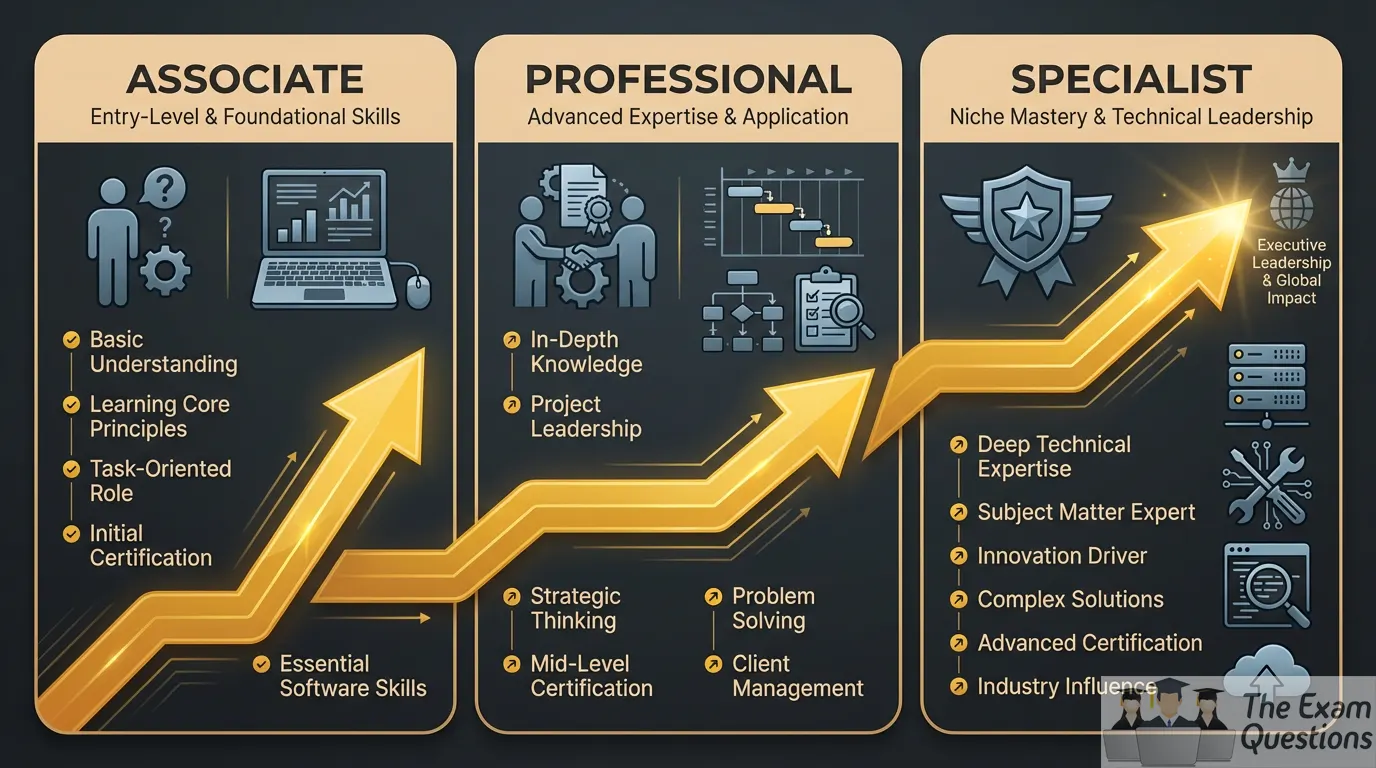
- Associate Level: 55-65% passing score required
- Specialist Level: 63-70% passing score required
- Professional Level: 65-70% passing score required
- Assessment-Based: 80% passing score (with unlimited trials)
Here's what this means for you:
Most SAP certifications require you to answer correctly on 60-70% of questions to pass. The exam typically consists of 80 questions over 3 hours.
Want to know the best part?
Career Switcher Success Rates
Based on Reddit discussions and SAP Community testimonials from 2024-2025:
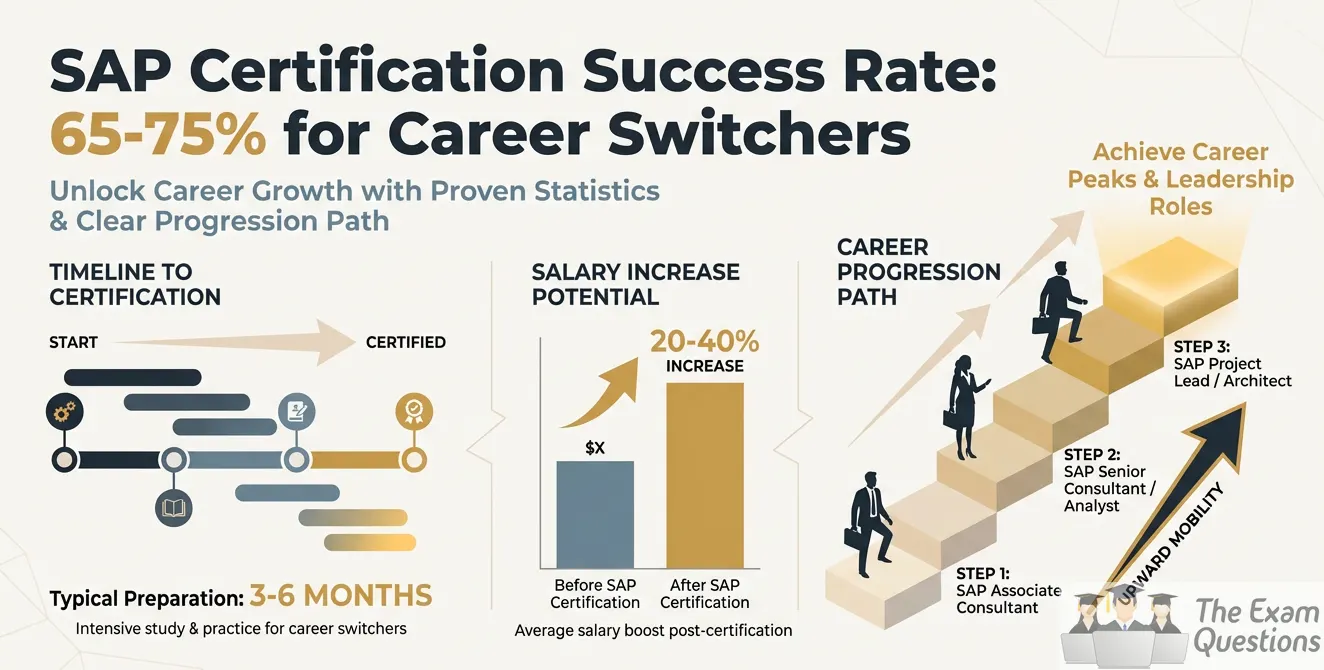
- First-time pass rate for prepared candidates: 65-75%
- Overall pass rate (including retakes): 80-85%
- Career switchers with structured training: 70-80% first-attempt success
- Self-study without experience: 45-60% first-attempt success
The bottom line?
Your background matters less than your preparation method. Career switchers who follow structured training programs have nearly the same success rate as candidates with prior ERP experience.
Timeline Reality Check: How Long Does It Actually Take?
Here's the deal:
If someone tells you that you can become an SAP consultant in 4 weeks, they're selling you something.
Realistic Preparation Timeline for Career Switchers
Based on industry data and real experiences:
3-6 Months: Standard timeline for complete beginners
- Month 1-2: Foundation training and module-specific learning
- Month 3-4: Hands-on practice and scenario building
- Month 5-6: Certification preparation and exam
1-3 Months: Accelerated path (for tech-savvy professionals)
- Related certifications: Some candidates complete 2 related certifications (like SAP FICO + MM) in one month
- Intensive boot camps: 1-3 week programs followed by 2-3 months focused study
- Self-paced online: 3-6 months at your own speed
The realistic breakdown:
- Self-Paced Online Learning: 3-6 months
- Instructor-Led Virtual Classes: 4-8 weeks (plus 2-3 months practice)
- SAP Boot Camps: 1-3 weeks (plus 2-3 months certification prep)
- Job placement after certification: 2-6 months average
You might be wondering:
What About Job Placement?
Here's where it gets interesting.
According to SAP Community veterans and LinkedIn discussions:
- Average time to first SAP job: 2-6 months post-certification
- With prior tech experience: 1-3 months
- Complete career switchers: 4-6 months
- Factors that accelerate placement: Networking, LinkedIn optimization, freelance projects
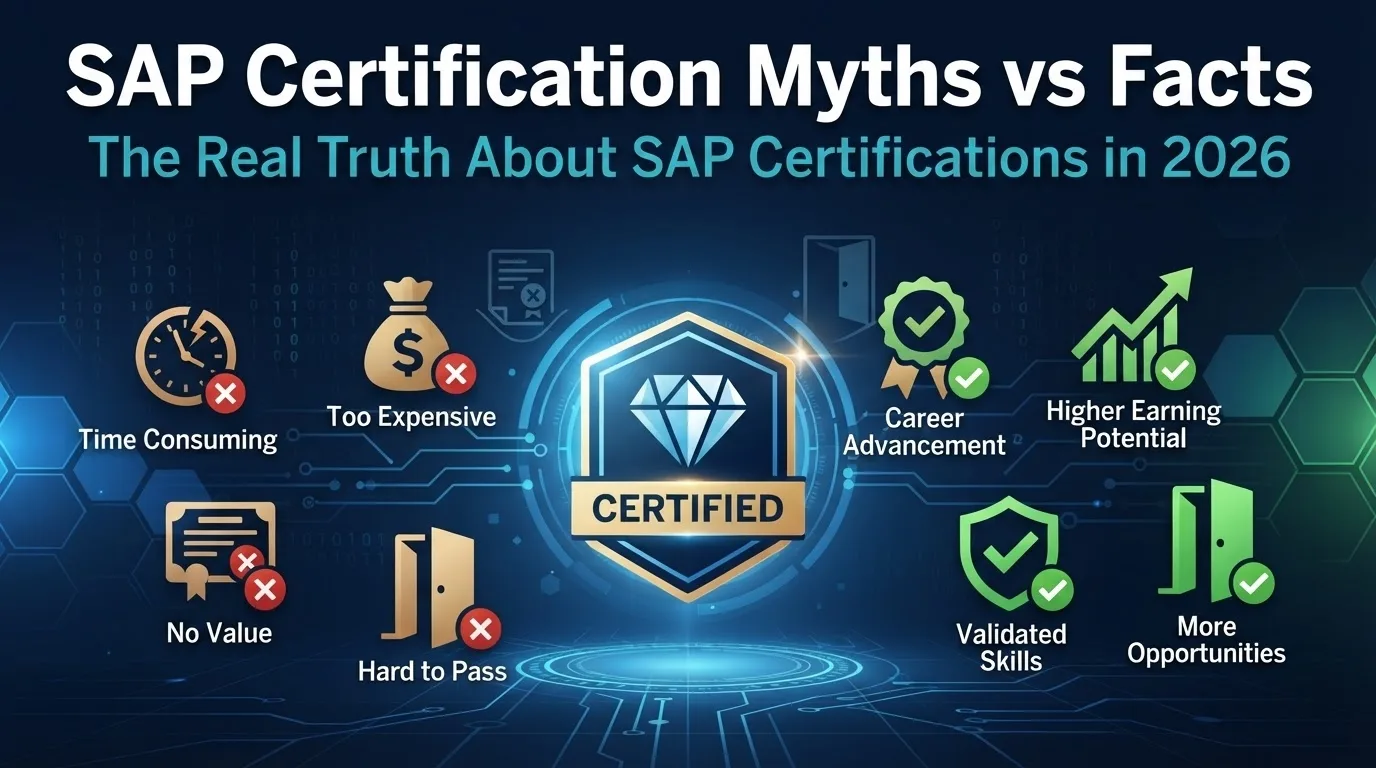
The truth? Certification alone doesn't guarantee a job - but it opens the door for interviews that wouldn't happen otherwise.
The Money Question: Salary ROI Analysis
Let's talk numbers.
How Much Do SAP-Certified Professionals Actually Earn?
According to ZipRecruiter and multiple 2025-2026 salary surveys:
U.S. SAP Certification Salary Ranges:
- 25th percentile: $133,500
- Median (50th percentile): $154,000
- 75th percentile: $174,000
- Top earners (90th percentile): $194,000+
Entry-Level SAP Consultants (0-2 years):
- Starting range: $54,000 - $75,000
- With certification: $65,000 - $85,000
- After 1 year experience: $75,000 - $95,000
The Certification Premium: What's the Boost?
Here's where certification really pays off:
Salary Increase Statistics:
- Certified vs. non-certified: 20-40% higher earnings
- Career switchers post-certification: 20-30% salary increase within 2 years
- BTP-certified consultants: 25-35% higher placement rates
- SAP Analytics Cloud certified: 15-20% premium over base salaries
ROI Calculation Example:
Investment:
- Certification exam: $500-$600
- Training materials/courses: $2,000-$5,000
- Time investment: 3-6 months
- Total: ~$3,000-$6,000
Return:
- Average entry salary increase: $10,000-$20,000 annually
- Payback period: 3-6 months
- 10-year benefit: $150,000-$300,000 in extra earnings
Now:
The 2027 S/4HANA Migration Opportunity
Here's something critical:
Only 59% of companies have fully or partially migrated to SAP S/4HANA as of late 2025 - and the 2027 deadline is approaching fast.
What This Means for Career Switchers
The market dynamics are working in your favor:
Demand Statistics:
- 39% of 35,000 SAP ECC customers had migrated by end of 2024 (Gartner)
- 41% aim to finish by 2027 - but projects are taking 30% longer than expected
- Nearly 1 in 5 companies won't make the 2027 deadline
- Migration projects span 18-36 months for large enterprises
Career Opportunity Window:
- 2026-2028: Peak demand period for S/4HANA consultants
- 2025-2030: Extended maintenance period creates continued demand
- BTP-certified professionals: Experiencing 25-35% higher placement rates
The bottom line?
This is the golden window for career switchers. Companies are scrambling for talent, and they're willing to hire and train candidates who show promise - even without prior SAP experience.
Most In-Demand SAP Certifications for 2026
Not all certifications are created equal.
Top Certifications Based on Market Demand:
1. SAP S/4HANA Certifications
- Why: 2027 migration deadline driving massive demand
- Pass rate: 55-65%
- Salary premium: $125,000-$150,000 for experienced consultants
2. SAP BTP (Business Technology Platform)
- Why: Cloud transformation is non-negotiable
- Pass rate: 60-70%
- Placement advantage: 25-35% higher than traditional consultants
3. SAP Analytics Cloud (SAC)
- Why: Data-driven decision making priority
- Pass rate: 65% (80% for assessment-based)
- Salary premium: 15-20% over base salaries
4. SAP FICO (Financial Accounting & Controlling)
- Why: Every company needs finance modules
- Pass rate: 60-65%
- Career longevity: High demand across industries
5. SAP MM (Materials Management)
- Why: Supply chain optimization focus
- Pass rate: 55-60%
- Combo potential: Often paired with FICO for faster career growth
Success Strategies: What High-Achievers Do Differently
Here's the deal:
The difference between a 45% pass rate and an 80% pass rate isn't talent - it's strategy.
What Successful Career Switchers Do:
1. Choose the Right First Certification
- Align with your background (finance → FICO, logistics → MM, IT → Basis)
- Pick in-demand modules (S/4HANA, BTP, SAC)
- Consider combo certifications (FICO + MM for supply-chain finance roles)
2. Use Multiple Learning Resources
- SAP Learning Hub subscription: Official courseware
- Practice exams: Critical for understanding question formats
- Community forums: SAP Community, Reddit r/SAP
- YouTube tutorials: Free foundational knowledge
3. Get Hands-On Practice
- SAP Learning Hub trial systems
- OpenSAP free courses
- Practice environments from training providers
- Simulated project scenarios
4. Master the Exam Format
- 80 questions in 3 hours = 2.25 minutes per question
- Study question patterns from practice exams
- Consistently score 80%+ on practice tests before booking
- Use the "mark for review" feature strategically
5. Build While You Learn
- Create LinkedIn content documenting your learning journey
- Connect with SAP professionals in your target companies
- Volunteer for ERP projects at current workplace
- Build a portfolio of scenario-based solutions
Common Pitfalls Career Switchers Should Avoid
Let's talk about what doesn't work.
Mistakes That Tank Your Success Rate:
❌ Relying Only on Certification
- Certification gets you interviews - not jobs
- You need to demonstrate business process understanding
- Employers want problem-solvers, not just exam-passers
❌ Choosing Based on "Ease" Instead of Demand
- Don't pick the "easiest" certification
- Choose based on market demand and career trajectory
- Research job postings in your target market
❌ Skipping Hands-On Practice
- Reading alone won't prepare you for scenario-based questions
- You need to navigate the SAP interface
- Practice configuration and troubleshooting
❌ Underestimating Networking
- 60-70% of SAP jobs are filled through referrals
- Join SAP user groups (ASUG for Americas)
- Engage in SAP Community discussions
- LinkedIn is your #1 job-finding tool
❌ Expecting Instant Results
- Average placement: 2-6 months post-certification
- Building credibility takes time
- Plan financially for the transition period
Age Is Just a Number: Success at Any Career Stage
You might be wondering:
"Am I too old to switch to SAP?"
Here's the truth:
Career Switchers of All Ages Succeed
Based on community discussions and real testimonials:
- 37-year-old maintenance professional → SAP PM consultant
- 47-year-old career changer → Successfully certified and placed
- 50+ professionals → Transitioning with proper planning
- Fresh graduates → Entry-level positions with proper training
What matters more than age:
- Transferable skills: Business process knowledge, project management, domain expertise
- Learning commitment: Willingness to invest 3-6 months
- Adaptability: Comfort with technology and continuous learning
- Financial runway: Ability to invest in training and bridge transition period
The reality? Companies value business acumen and domain expertise - which older career switchers often have in spades.
Your Action Plan: Next Steps
Here's what to do right now:
Step 1: Choose Your Path (Week 1)
- Research 3-5 certifications aligned with your background
- Read job descriptions for those roles in your market
- Check LinkedIn for professionals in those roles
- Decide on your first certification target
Step 2: Create Your Learning Plan (Week 1-2)
- Budget $3,000-$6,000 for training and certification
- Block 15-20 hours per week for study (3-6 month timeline)
- Identify learning resources (SAP Learning Hub, training providers, free courses)
- Set your target exam date (3-6 months out)
Step 3: Build Your Foundation (Month 1-3)
- Complete structured training course
- Take detailed notes and create cheat sheets
- Practice in trial systems
- Join SAP Community and introduce yourself
Step 4: Practice & Prepare (Month 3-5)
- Take SAP practice exams weekly
- Consistently score 80%+ before booking exam
- Focus on weak areas
- Simulate timed exam conditions
Step 5: Test & Transition (Month 5-6+)
- Book and pass your certification exam
- Update LinkedIn with certification badge
- Start applying to entry-level positions
- Network actively with SAP professionals
- Consider contract/freelance work for experience
Final Thoughts: Your Path Forward
Here's the bottom line:
SAP certification for career switchers isn't just viable - it's one of the smartest career investments you can make in 2026.
With success rates of 65-75% for prepared candidates, reasonable 3-6 month preparation timelines, and 20-40% salary premiums, the ROI is clear. Add the perfect storm of the 2027 S/4HANA migration deadline, and you have a once-in-a-decade career opportunity.
The data doesn't lie:
- 60-70% pass rates are achievable with proper preparation
- 3-6 months gets you certified
- $150,000-$300,000 in 10-year additional earnings
- Peak demand window: right now
Your age doesn't matter. Your previous career doesn't matter. What matters is your commitment to the 3-6 month learning journey and your willingness to network and build credibility.
The question isn't whether you can make the switch.
The question is: Will you start today?