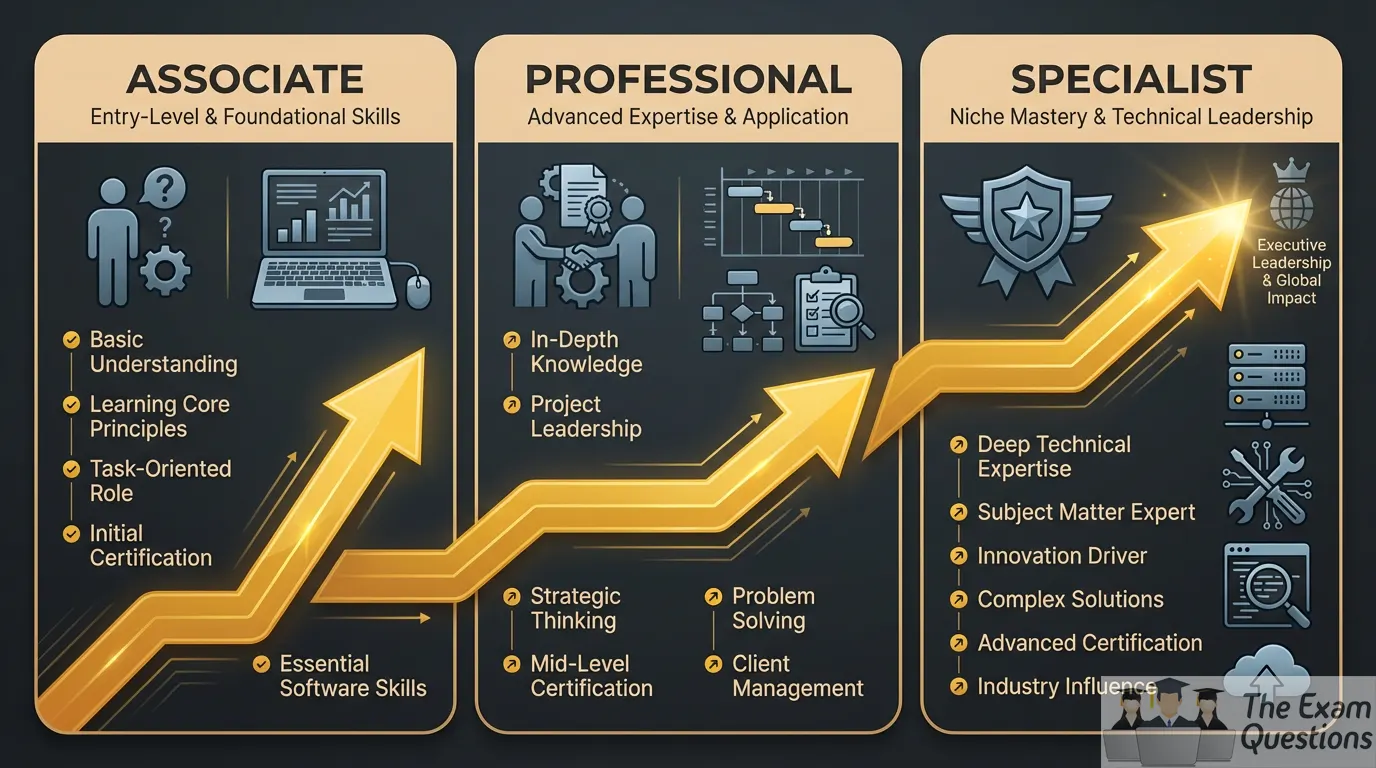
Congrats on earning your SAP certification! That’s no small feat. Now you’re probably asking, “Where do I go from here?”
If you’ve got solid SAP skills and a real love for teaching, why not consider becoming an SAP instructor? Right now, the need for SAP trainers is exploding. With companies scrambling to finish their S/4HANA migrations before the 2027 deadline, there’s a ton of demand.
Here’s a guide that’ll walk you through moving from just certified to being a sought-after instructor. Whether you want to join the SAP Authorized Trainer Program, work on your own, or build your personal online training business, you’ll get what you need to know.
Let’s jump in.
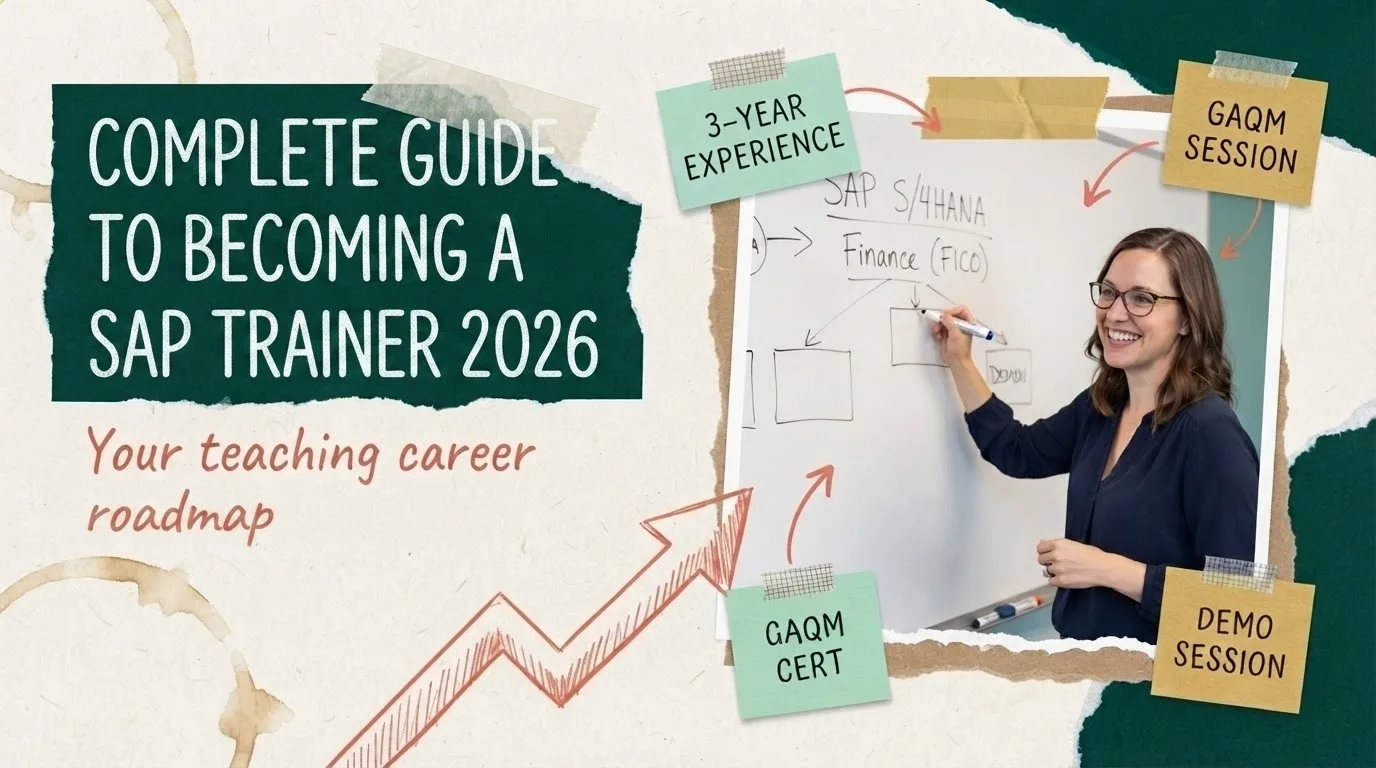
Why Become an SAP Instructor?
There’s something you should know: SAP instructors get perks you don’t find in traditional consulting roles. You get to share your knowledge, grow your reputation, and make money in different ways, all while staying right up to date with the latest SAP tech.
Here’s what stands out:
SAP professionals pull in solid salaries, think over $78,000 in the US, and anywhere from ₹15 to ₹39 lakhs in India. There’s real demand out there for certified SAP experts across different industries. SAP certification helps you get better jobs and move up in your career. Plus, companies keep needing skilled SAP people, even when the market gets shaky, so there’s a good deal of job security.
Source to verify salary for Senior SAP Consultant: https://www.glassdoor.co.in/Salaries/us-senior-sap-consultant-salary-SRCH_IL.0,2_IN1_KO3,24.htm
The best part?
You don’t have to stick to one road. SAP instructors can mix it up: teach for authorized partners, run their own courses, do corporate training, even consult on projects.
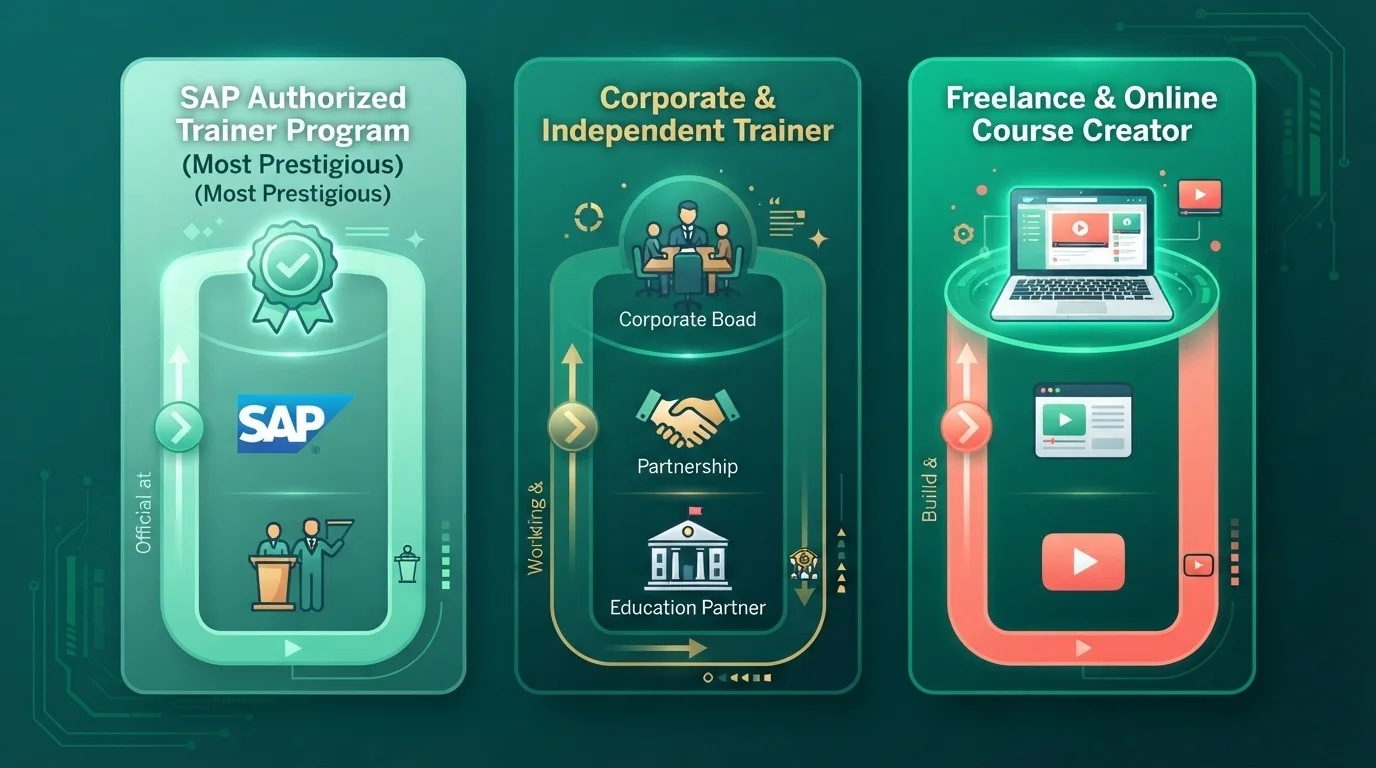
Three Paths To Becoming an SAP Instructor
You actually have several options, and you don’t need to pick just one.
Path 1: SAP Authorized Trainer (Most Prestigious)
This is as official as it gets. SAP authorized trainers are globally recognized and provide SAP training through authorized channels.
Path 2: Corporate/Independent Trainer
Work with SAP Education Partners, training institutes, or work directly with organizations in need of in-house SAP training.
Path 3: SAP Freelance Instructor or Online Course Creator
Build your own training business on Udemy, Coursera, or your own website. Lots of flexibility and opportunity.
Explore: Top SAP Cloud Certifications to Boost Your Career in 2026
What you need for each path?
Path 1: Becoming an SAP Authorized Trainer
- SAP Certification: As per update, SAP certifications issued before April 2024 will expire on March 31, 2025 and to increase its validity, the candidates have to renew every year with the “Stay Certified” assessment.
- Relevant Experience (3-4 years): You need a solid background working with SAP: actual project history, consulting gigs, implementation, support. Make it clear on your CV.
- SAP Training Certification: This trips up a lot of people. You need credentials from a recognized provider, like:
- GAQM (Certified Professional Trainer)
- ATD
- People 1st
- Other globally recognized certifications
SAP expertise isn’t enough; you have to prove you can train adults effectively.
Application Steps:
- Make your SAP Universal ID (if you don’t have one).
- Further, highlight your major projects on your CV. SAP Certified is a must. A training certificate is a must. Also project portfolio (consulting/training experience).
- Prepare your documents. Always register yourself as an SAP Authorized Trainer on the portal.
- Train the SAP Education Team and show your expertise, presentation skills and your ability of explaining complex subjects.
- Await their response.
What Happens if You Get in?
You’ll have to:
- Renew your participation every year.
- Stay current with your SAP cert.
- Stay current with your training cert.
- Keep on delivering quality training.
What’s in It for You?
Global recognition, access to SAP materials, and some serious credibility.
Path 2: SAP Corporate Trainer & Independent SAP Training
This path allows you to do it your own way. You don’t need official SAP authorization to get started, though having it does open more doors. It’s a solid route for anyone who wants variety, working with different companies or even building their own brand as a trainer.
Option A: Work with SAP Education Partners
SAP Education Partners are authorized organizations that are always on the lookout for skilled SAP trainers. They want people with valid SAP certifications, real-world project or consulting experience, strong communication skills, and the know-how to adapt training to what clients really need.
Getting started is quite easy: Find SAP Education Partners in your area. Send them your CV and any certificates you have. Provide a free sample session so they can see how you teach. You will most probably start with smaller training gigs, which will help you gain trust and experience on the way.
Option B: Corporate Training for Enterprises
A lot of companies prefer to train their people internally instead of sending everyone out for external sap courses. These companies frequently bring in SAP trainers to assist on large projects, including new implementations, S4/HANA migrations, expansion into new markets, or roll-out of consultant training programs.
Networking is key for landing these projects. Attend SAP events. Join SAP LinkedIn groups. Interact with SAP using organizations. Utilize the real-world case studies you have faced during your training to prove your skills.
Alternative C: Independent Trainer/Consultant
As an independent professional, you’re the boss. You choose your clients. You determine your fees. You decide your hours. It’s an ideal setup if you want to mix training and consulting, or carve out your own niche in the SAP world.
How Do You Earn?
Mentor people one-on-one, run group workshops, organize corporate bootcamps, offer SAP certification prep, or combine consulting projects with hands-on, tailored training. The possibilities are pretty wide open.
Path 3: SAP Freelance Trainer or Online Course Creation & Digital Training
If you’d rather teach online, creating your own SAP courses can reach a much bigger audience, and the content you build today can keep bringing in income down the road. If your course actually helps people and stays up to date, you’ll start to build a real reputation as an SAP expert.
- Platform Options: Platforms like Udemy can get you in front of tons of students. Coursera or edX give your name extra credibility, while Teachable and Thinkific put you in the driver’s seat for pricing and content control. YouTube is another great route to offer free lessons to build an audience, then monetize through memberships or premium courses.
What Sets a Great SAP Online Course Apart?
Even though there’s no shortage of SAP courses online, people still want training that’s both practical and current. The top courses jump straight into real-world projects, focus on the latest SAP tools like S/4HANA and SAP BTP, help people prepare for certifications, and often zoom in on a specific niche. A community experience of some kind (Q&A sessions, live chats, etc.) helps learners feel supported.
Promoting Your Online Courses
Creating your course is just the first step. You have to promote it to learners. SEO optimized blogs posts, YouTube tutorials, LinkedIn articles, free email courses, and partnerships with SAP consultancies or career platforms. The more you promote yourself, the better the chances of attracting learners.
SAP Instructor Skills Requirement
Knowing SAP is just step one, but the path you choose after certification matters the most.
If you want to choose a career apart from being a SAP instructor, then explore “SAP Associate vs Professional vs Specialist: Which One Fits You?” article to learn about the right career path.
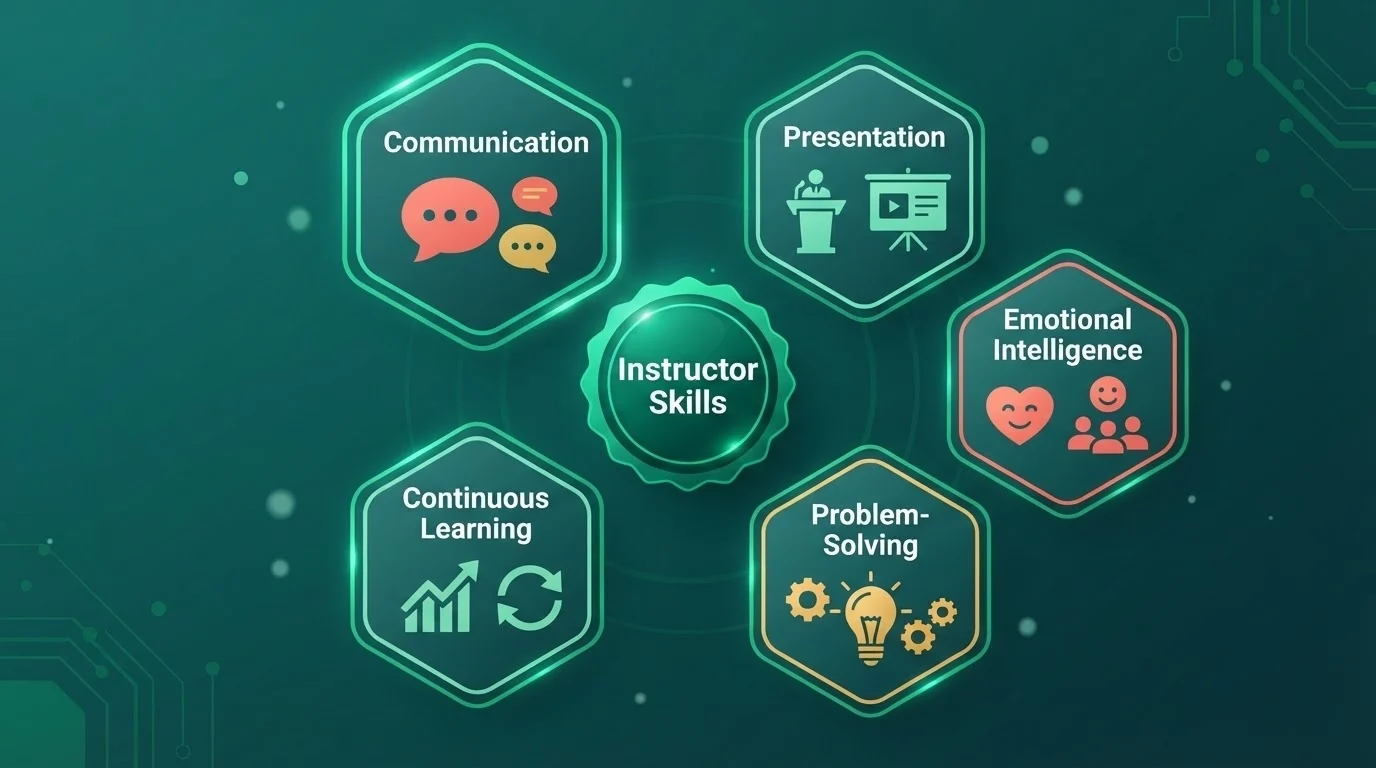
Here’s the skills you’ll need as a SAP Instructor:
1. Communication
- Simplify complex sap concepts
2. Presentation
3. Emotional Intelligence & Interpersonal Skills
- Know your audience.
- Clear doubts.
- Cater for different learning styles.
- Listen to questions.
- Slow down when needed.
- Observe when energy drops.
- Help people who need it.
- Grab and hold attention (online and in person).
- Tell stories, even with technical stuff.
- Roll with technical glitches.
4. Problem-Solving
You’ll run into unexpected stuff.
- Fix system access issues
- Adjust if topics take too long
- Manage tough questions (even those you don’t know)
- Adapt for varying skill levels
5. Continuous Learning
SAP never stops changing, so learning must be throughout the process.
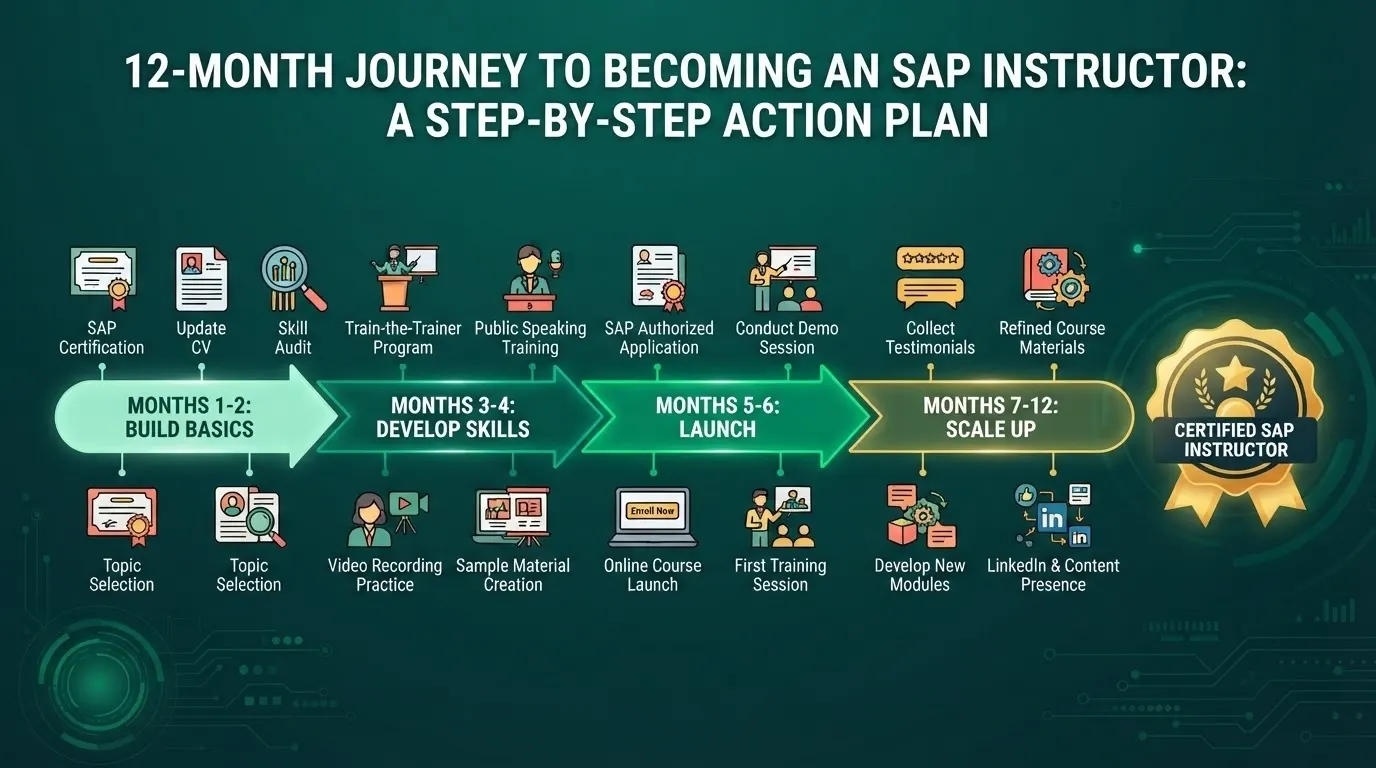
Step-by-Step Action Plan
Here’s your roadmap to get rolling:
1-2 Months: Build Basics
- Make sure your SAP certification is up to date.
- Explore training certification options (GAQM CPT, ATD).
- Document project experience and write your training-focused CV.
- Pick a couple of topics you can teach with confidence.
3-4 Months: Develop Your Skills
- Enrol in a “train-the-trainer” program.
- Practice presenting; record yourself teaching.
- Join Toastmasters or a similar group for public speaking.
- Make sample training materials.
5-6 Months: Launch!
- Apply to SAP Authorized Trainer Program (if this is your path).
- Approach SAP Education Partner with your demo.
- Build your first online course or workshop.
- Conduct your first training session (even if it’s free, for experience).
7-12 Months: Scale Up
- Collect testimonials and case studies
- Refine your materials based on feedback
- Add new SAP modules or advanced topics
- Build your online presence (LinkedIn, blog, YouTube)
Mistakes to Avoid
Don’t do this:
- Think that certification alone is enough: You also need training skills
- Start without practicing: Run test sessions with friends or colleagues first
- Ignore marketing: The best instructors market themselves
- Let your certifications expire: You need to stay up to date
- Copy someone else’s content: Find your own style
How to become an SAP trainer?
Becoming an SAP instructor is not a career change; it’s a lifestyle change. You go from working behind the scenes to helping others master SAP. You build your reputation, bring in multiple incomes, and enjoy flexibility you rarely get in consulting.
Don’t ask if you can do it. The real question is: Will you start today?
Take one step. Update your resume. Check out training certification. Record yourself explaining an SAP concept. Reach out to an SAP Education Partner.
The SAP training world needs passionate instructors. The demand is real. The opportunity is waiting.
So, what’s the first SAP topic you’ll teach?
Conclusion
Teaching SAP isn’t just about sharing what you know; it opens up lots of ways to earn and grow your career. You are given a choice: you can become an SAP Authorized Trainer, you can deliver corporate training sessions, or you can create your own online courses. What really matters is knowing your SAP stuff inside out and being a good teacher who’s always learning.
Don’t worry about starting big; begin with smaller gigs, keep sharpening your skills, and let your reputation grow. Right now’s a great moment to start building your career as an SAP trainer.
Thousands of SAP pros trust The Exam Questions for smarter prep. Start today, and you’re already one step closer to being certified.